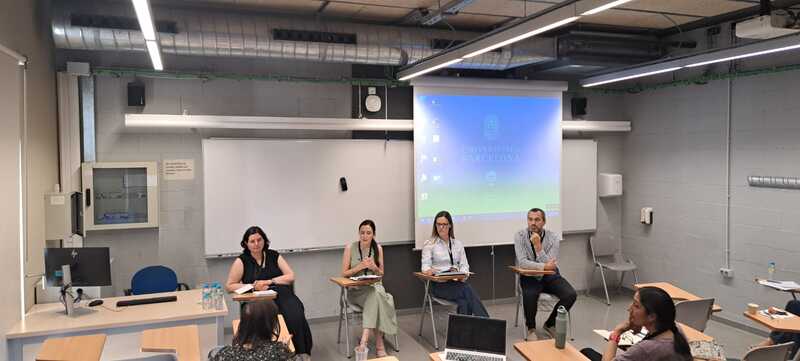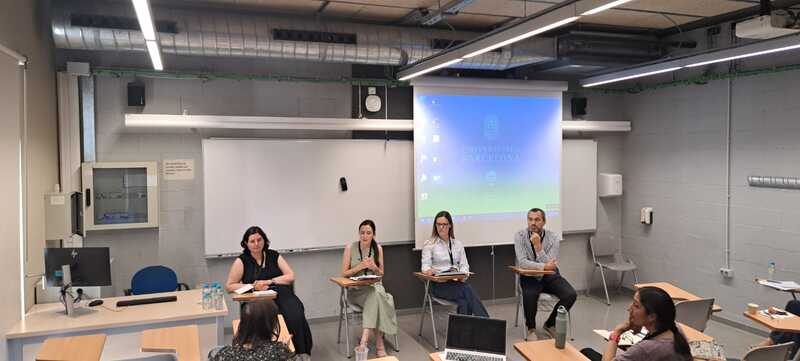
From 16–19 June 2026, members of the RETLAMI-SEE project participated in the 6th Conference of the European Labour History Network (ELHN), held in Barcelona, Spain. The conference brought together researchers from across Europe and beyond to discuss historical and contemporary perspectives on labour, migration, work, and social change.
As part of the Labour Migration History Working Group, RETLAMI-SEE researchers presented their work, actively participated in panel discussions, and contributed to the Working Group meeting.
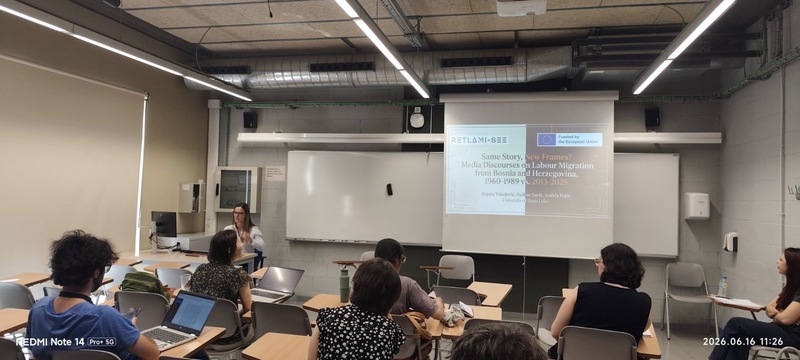
Dr Bojana Vukojević presented the paper “Same Story, New Frames? Media Discourses on Labour Migration from Bosnia and Herzegovina, 1960–1989 vs. 2013–2025”, co-authored with Dalibor Savić and Anđela Pepić (University of Banja Luka). Presented within the panel Comparative Perspectives on Yugoslav and Post-Yugoslav Labour Migration, the paper examined how media narratives surrounding labour migration from Bosnia and Herzegovina have evolved from the socialist period to the present day.
The presentation generated considerable interest among the audience and was followed by a lively discussion. The authors further elaborated on the transformation from narratives of workers’ solidarity to ethno-national solidarity, as well as on the specific historical contexts of the three major waves of migration from Bosnia and Herzegovina, with particular emphasis on the impact of the 1990s war and its long-term consequences for the economy and contemporary labour migration.
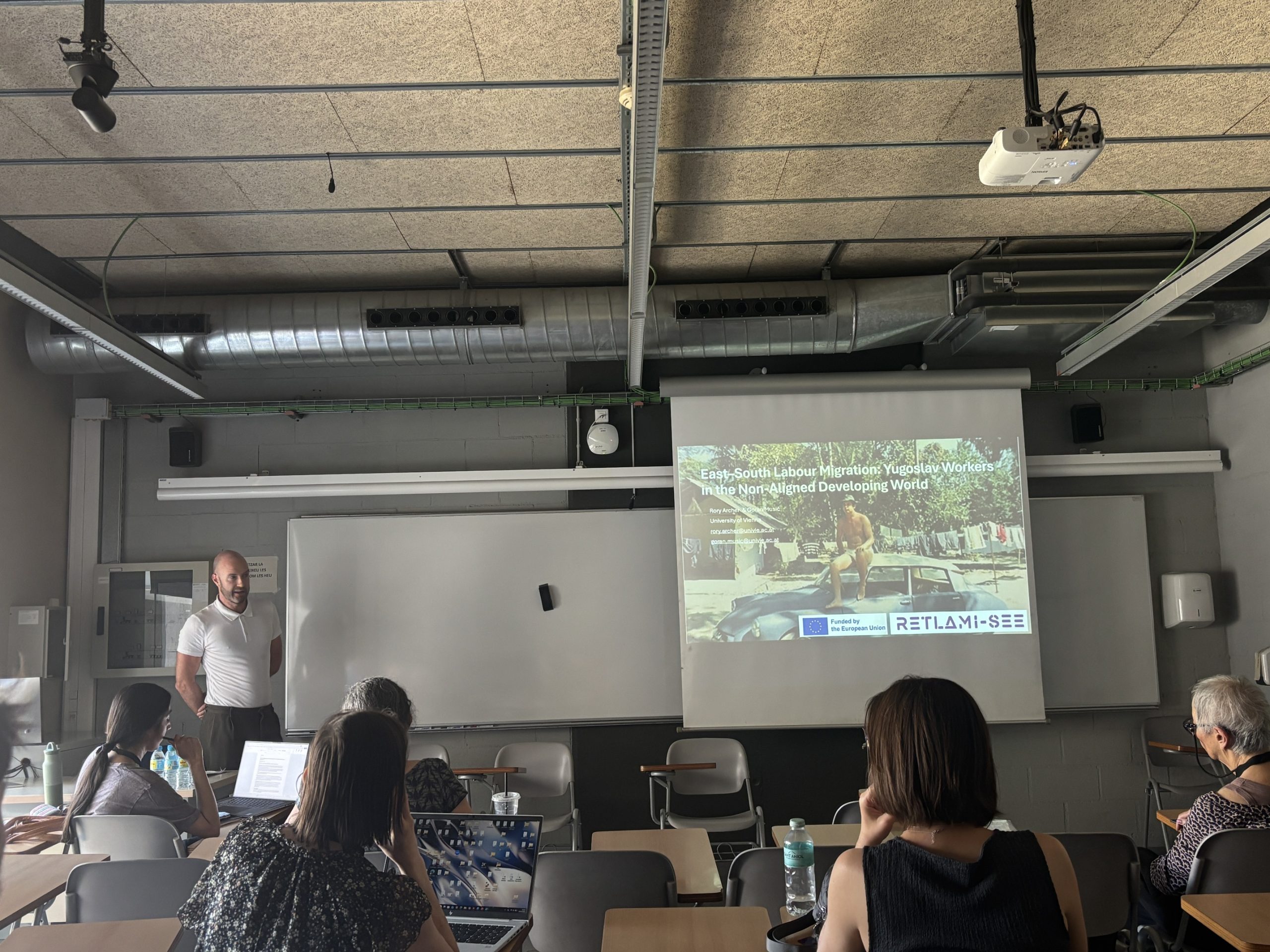
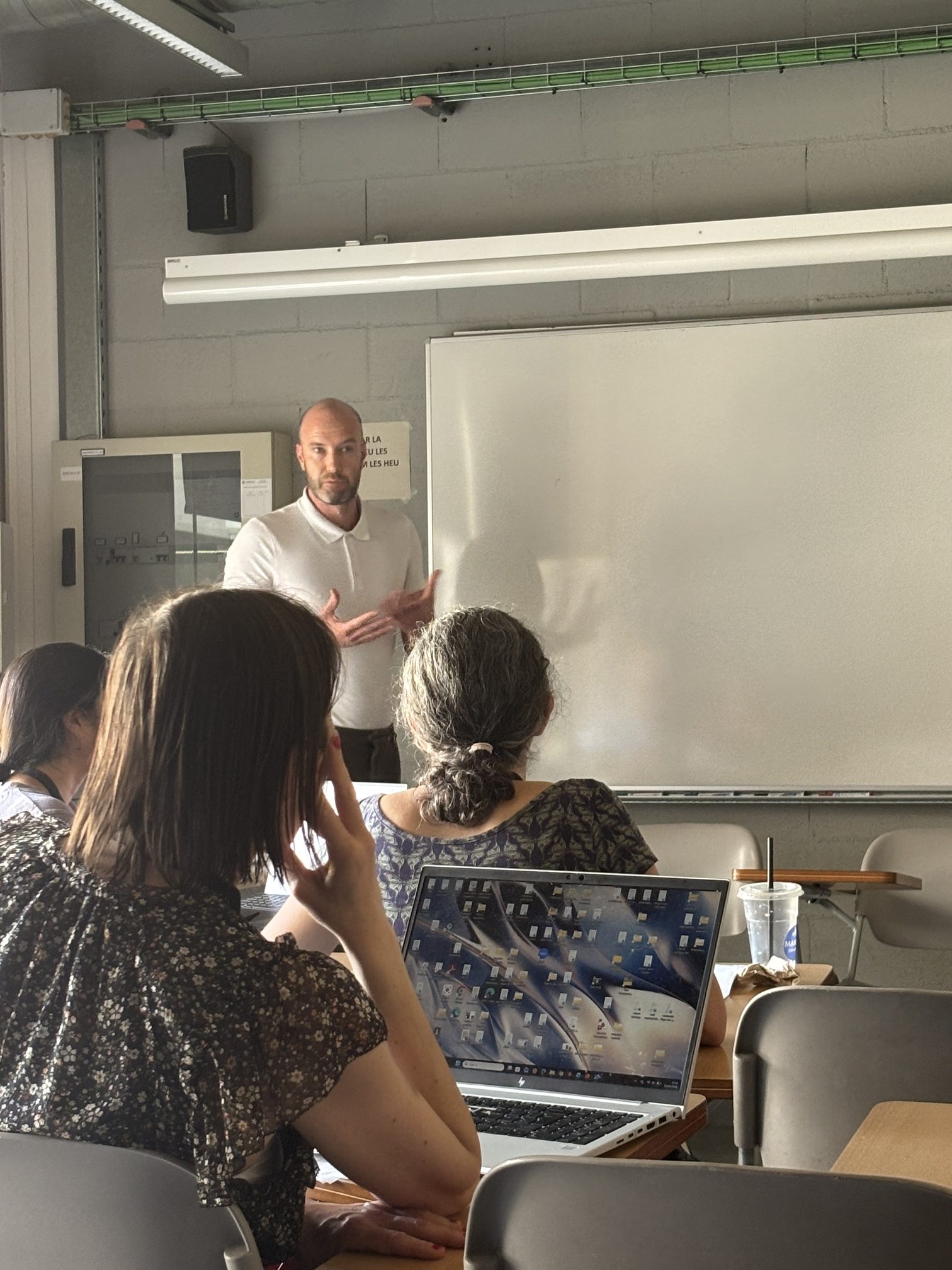
Within the panel The Politics of Labour Migration: Migrants and State Actors in Regional, European and Global Perspectives, Rory Archer presented the paper “East-South Labour Migration: Yugoslav Workers in the Non-aligned Developing World”, co-authored with Goran Musić (RECET – Research Center for the History of Transformations, University of Vienna). Their research sheds light on the often-overlooked mobility of Yugoslav workers towards the Global South—specifically Zambia—during the socialist period.
The conference also provided valuable opportunities to engage with current debates in labour and migration studies. The panels attended by the RETLAMI-SEE team focused on contemporary approaches to researching labour, migration, and social inequalities through gender, class, and migration perspectives. Presentations addressed topics such as the invisibility of women’s labour and its lack of recognition as an economic contribution, moral economies of labour, migrant family experiences and remittances, migrant children’s education, and historical forms of systemic social segregation in destination countries. Equally important was the emphasis on methodological innovation, demonstrating how oral history, ethnography, personal correspondence, and other qualitative approaches can uncover experiences often absent from institutional narratives. Discussions further explored questions of social mobility, the accumulation of different forms of capital, gender relations, and the transformation of working-class communities, offering valuable theoretical and methodological insights for future research on labour and migration.